Imagine a high-flying professional settling into their seat on the Vande Bharat Express.
They aren't looking at their phone. They aren't reading a newspaper. Their eyes are closed, but their ears are wide open, tuned into a productivity podcast or a curated lo-fi playlist.
In this moment, visual advertising: no matter how bright or bold: is invisible to them.
This is the "screenless" economy, and if your brand doesn't have a voice, you are effectively silent.
As we navigate 2026, the battle for consumer attention has moved beyond the retina. It has moved to the eardrum. For brand strategists in India, mastering programmatic audio advertising and a cohesive sonic branding strategy is no longer a luxury; it is a survival requirement.
What is Sonic Branding and Programmatic Audio?
Before we dive into the "why," let’s clarify the "what."
Sonic branding is the strategic use of sound to create a unique audio identity. Think of the four-note Intel bong, the Netflix "ta-dum," or the signature chime of a premium credit card transaction. It is your brand’s DNA translated into frequency.
Programmatic audio advertising, on the other hand, is the delivery mechanism. It uses automated technology to buy and serve ads within audio content: like music streams, podcasts, and digital radio: using real-time data to target specific listeners based on their behavior, location, and interests.
Together, they form a powerhouse duo that allows you to follow a commuter from their home smart speaker to their car's Spotify stream, and finally into the office.

Why Sound is Winning the Attention War
The human brain processes sound 10 to 100 times faster than it processes visuals.
In a world where the average Indian consumer is bombarded with over 20,000 brand messages a day, audio cuts through the clutter.
1. Unbeatable Recall and Emotional Resonance
Research shows that audio ads drive 24% higher recall than traditional display ads. Even more impressively, consistent use of a sonic logo can increase brand recognition by up to 46%.
When you hear a specific melody associated with a brand, your brain triggers an emotional response before you even consciously recognize the product. This creates a level of trust that a static banner simply cannot match.
2. Targeting the "Unreachable" Professional
The modern professional in Tier-1 cities like Delhi, Mumbai, and Bangalore is often "screen-fatigued." They use audio to escape.
By leveraging Spotify ad targeting and podcast advertising India, you can reach these high-net-worth individuals during their "me-time": at the gym, during their commute, or while cooking.
3. Presence in the Screenless World
With the rise of smart speakers and voice assistants, the internet is becoming conversational. Voice activated ads are the next frontier, allowing listeners to interact with your brand simply by speaking.
Audio Marketing Trends Dominating 2026
The landscape of audio is evolving rapidly. To stay ahead, you need to watch these three pillars:
Hyper-Localized Programmatic Buys
We are seeing a massive shift toward omnichannel creative automation. Brands are now using programmatic audio to deliver localized messages in regional languages across Tier-2 cities like Pune, Jaipur, and Lucknow.
If a listener is near a specific retail outlet, the audio ad can dynamically update to mention the street name or a local offer.
The Podcast Explosion in India
India has become one of the fastest-growing podcast markets globally. Podcast advertising India is no longer just about "host-read" ads. It is about programmatic insertion that ensures your message hits the right listener, regardless of which episode they are binge-watching.
360-Degree Integration
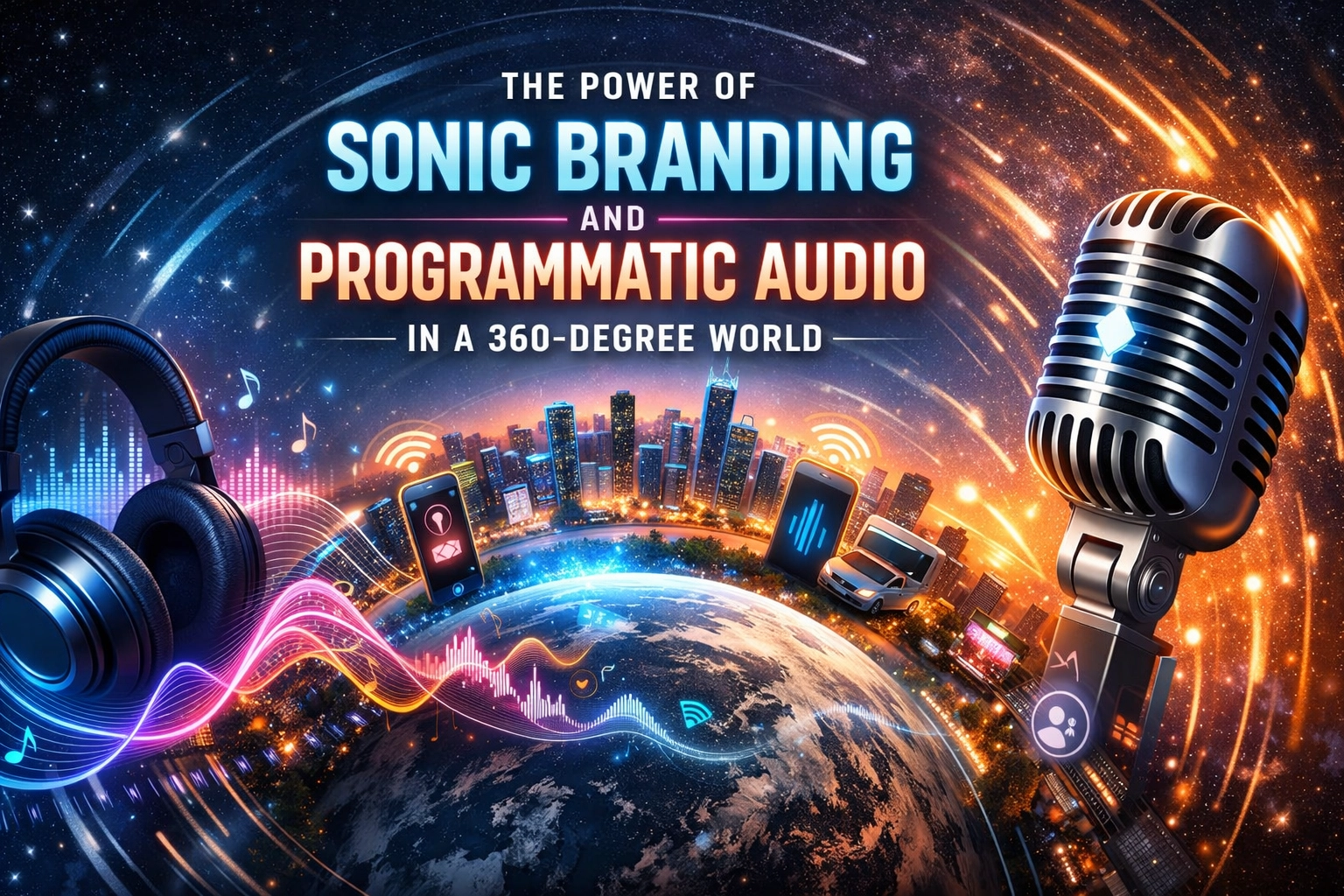
The most successful brands don't treat audio as a silo. They integrate it into a 360-degree media strategy. This is where Graphisads excels. We understand that a message heard on a podcast is amplified when the same consumer sees your outdoor media advertising on their way to work.

How to Build an Audio Strategy That Sticks
Developing a presence in the audio space requires more than just recording a voiceover. Follow these steps to build a robust framework:
- Audit Your Current Sound: Do you have a consistent voice? Does your brand sound premium, friendly, or disruptive?
- Define Your Sonic Logo: Create a 2–3 second "audio mnemonic" that summarizes your brand identity.
- Choose Your Channels: Are your customers on Spotify, JioSaavn, or listening to niche business podcasts?
- Leverage Data: Use programmatic tools to target by mood, genre, and time of day. (e.g., Energy drinks during "Workout" playlists; Insurance during "News" podcasts).
- Test and Optimize: Use real-time analytics to see which creative variations drive the most engagement.
Graphisads: Your Partner in the 360-Degree World
At Graphisads, we don’t just buy media space; we create ecosystems.
As a full-service agency with deep roots in India’s advertising landscape, we understand the pulse of the Indian commuter. Our expertise in Vande Bharat train advertising and transit branding allows us to place your brand where people are most attentive.
We bridge the gap between the physical and the digital. Imagine your audio ad playing just as a commuter glances at your billboard. That is the power of a synchronized, 360-degree approach.

Case Study: Elevating a Fintech Brand in Tier-1 Cities
Goal: Increase brand trust and app downloads among young professionals (ages 25–40).
Execution:
- Developed a 3-second sonic branding strategy used across all digital touchpoints.
- Deployed programmatic audio advertising on Spotify and Gaana, specifically targeting "Business" and "Wealth Management" podcast listeners.
- Synchronized these audio drops with high-impact outdoor media placements near major tech parks in Gurgaon and Bangalore.
Result:
- 35% increase in brand recall within 90 days.
- 18% uplift in organic app searches.
- 12% lower Cost Per Acquisition (CPA) compared to pure display campaigns.
Frequently Asked Questions
What is the difference between radio ads and programmatic audio?
Radio is "one-to-many," broadcasting to everyone tuned into a frequency. Programmatic audio is "one-to-one," delivering a specific ad to a specific listener based on their data profile.
Is programmatic audio expensive for small brands?
Not necessarily. Because it is highly targeted, you waste less budget on irrelevant audiences, often making it more cost-effective than traditional broad-reach mediums.
How do I measure the success of an audio campaign?
Success is measured through Listen-Through Rates (LTR), brand lift surveys, and "attribution tracking" that links audio exposure to website visits or app installs.
Can sonic branding work for B2B brands?
Absolutely. In fact, it’s even more critical. A professional, authoritative sound can establish credibility and "staying power" in the minds of busy decision-makers.
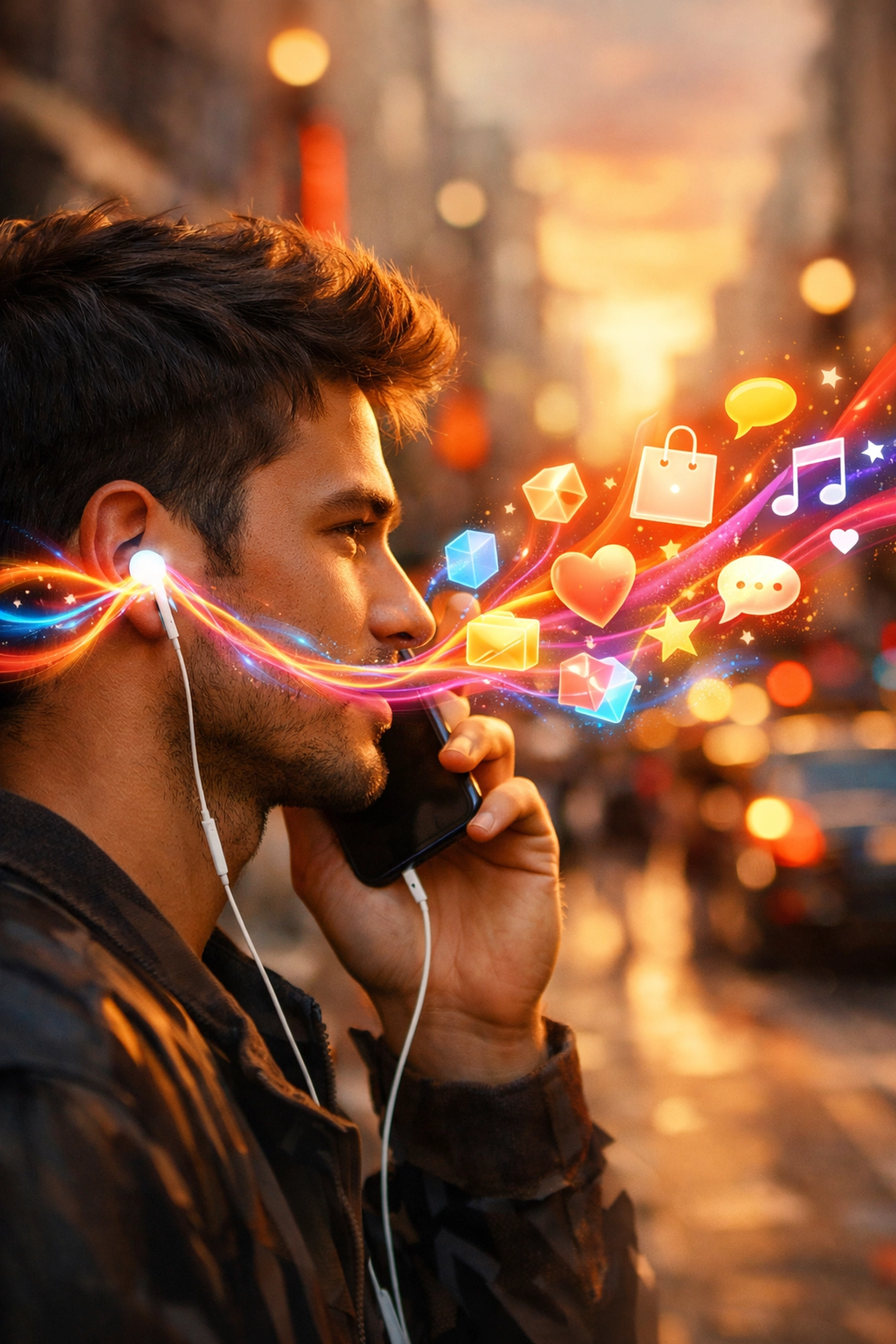
Lead the Audio Revolution
The future of branding isn't just something you see: it's something you feel, and more importantly, something you hear.
As we move further into 2026, the brands that dominate will be the ones that have found their voice. Are you ready to capture the screenless attention of your audience?
Elevate your presence with a 360-degree strategy. Contact Graphisads today to start your journey into the world of programmatic audio.